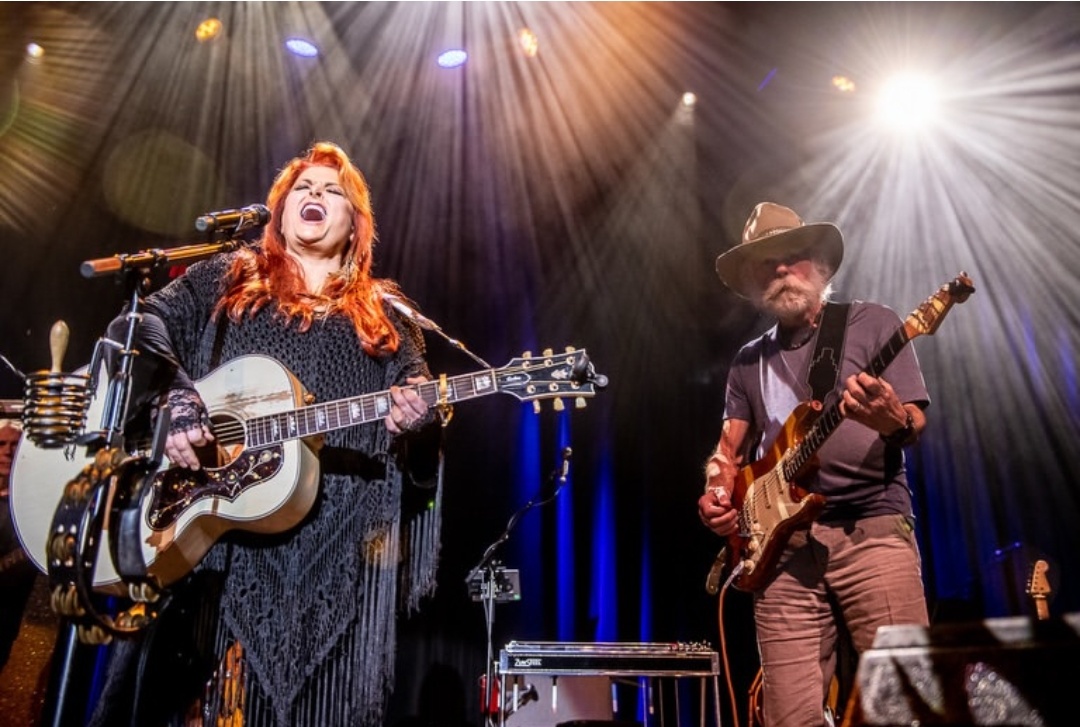
Wynonna Judd remains one of country music’s most recognizable voices, but recent performances and public appearances have reignited conversation about her career, resilience, and legacy. Fans continue debating everything from her stage presence to her emotional delivery, proving that she is still one of the most talked-about artists in country music today. Her career spans decades, multiple eras of country sound, and deeply personal public moments that shaped how audiences connect with her music and story.
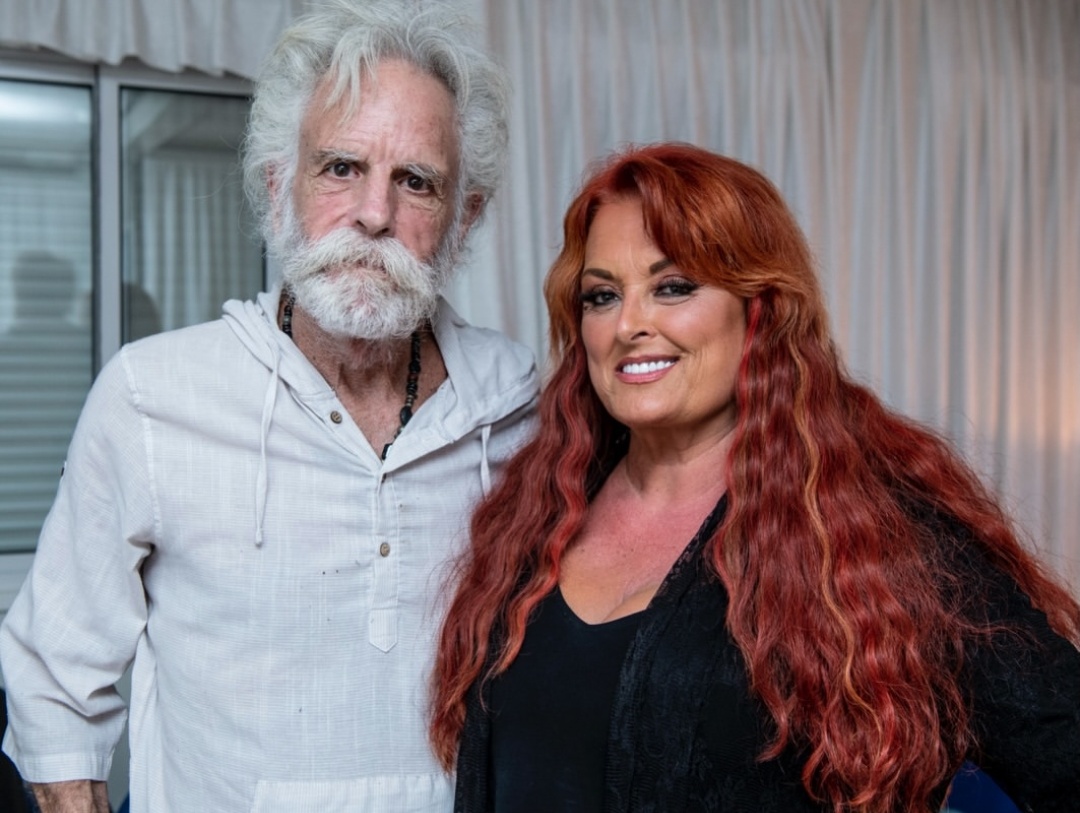
Wynonna Judd: The Voice That Defined Generations
She rose to fame in the 1980s as one half of The Judds alongside her mother, Naomi Judd. The duo became one of the most successful country acts ever, earning multiple gold and platinum records and dominating charts with emotional storytelling and signature harmonies.
When The Judds stopped performing in 1991 after Naomi’s hepatitis C diagnosis, Wynonna Judd transitioned into a solo career that preserved her country roots while expanding into broader emotional storytelling.
Her solo success cemented her reputation as a powerhouse vocalist. Fans didn’t just listen to her songs; they felt them. Her voice carries grit, vulnerability, and strength that few artists can replicate. Over time, she became known as one of the defining female voices of 1990s country music and beyond.
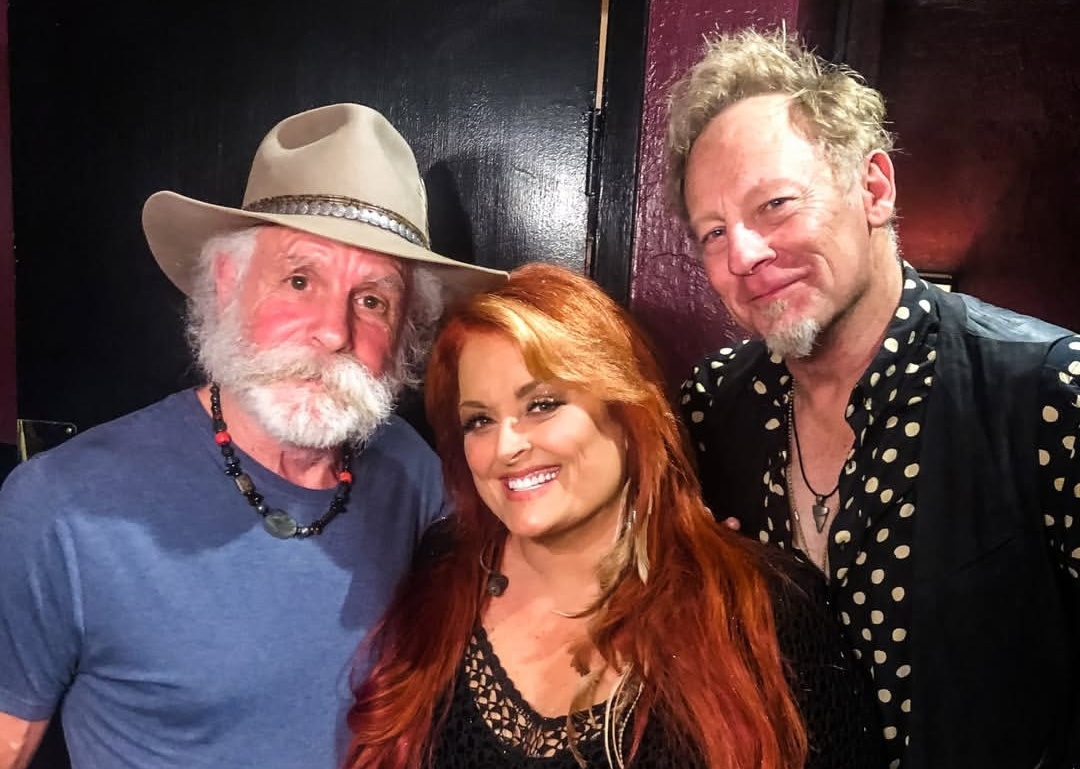
Wynonna Judd Career Evolution and Musical Legacy
Across her career, she consistently reinvented herself while staying grounded in country storytelling traditions. Albums like What the World Needs Now Is Love showed her ability to reinterpret classic sounds while maintaining emotional authenticity.
Her music blends gospel roots, blues emotion, and traditional country instrumentation. That combination helped her maintain relevance even as country music shifted toward pop-influenced sounds. Fans still stream her songs because they represent emotional storytelling rather than trend-based production.
Live performance remains central to her identity. Wynonna Judd tour events regularly draw longtime fans who grew up listening to The Judds alongside younger listeners discovering her catalog through streaming platforms.
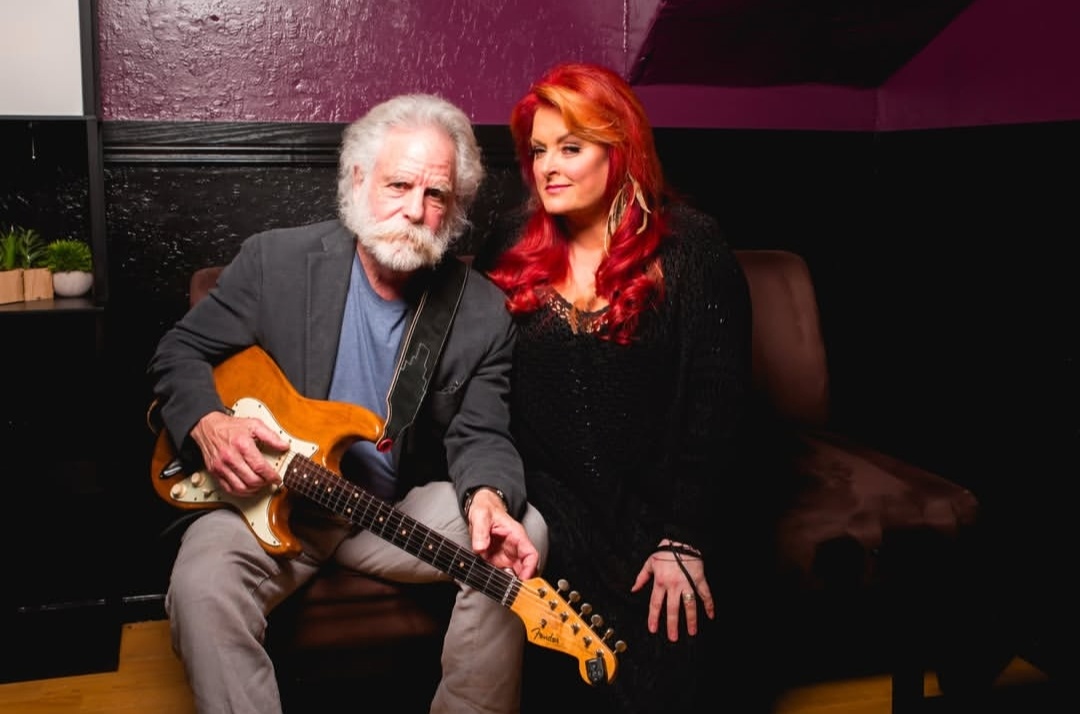
Wynonna Judd’s Sister and Family Influence
Family has always shaped Wynonna Judd’s public story. She is the sister of actress Ashley Judd, and both built high-profile careers in different entertainment industries.
Their relationship often appears in public tributes and interviews. Ashley has publicly praised her sister’s musical dominance and stage power, reinforcing her legendary status in country music.
The loss of Naomi Judd in 2022 marked a major turning point. The planned Judds reunion tour became emotionally charged, with fans rallying around Wynonna as she processed grief while continuing to perform.
That emotional context continues shaping how audiences interpret her performances today.
Why Wynonna Judd’s Latest Performances Spark Debate
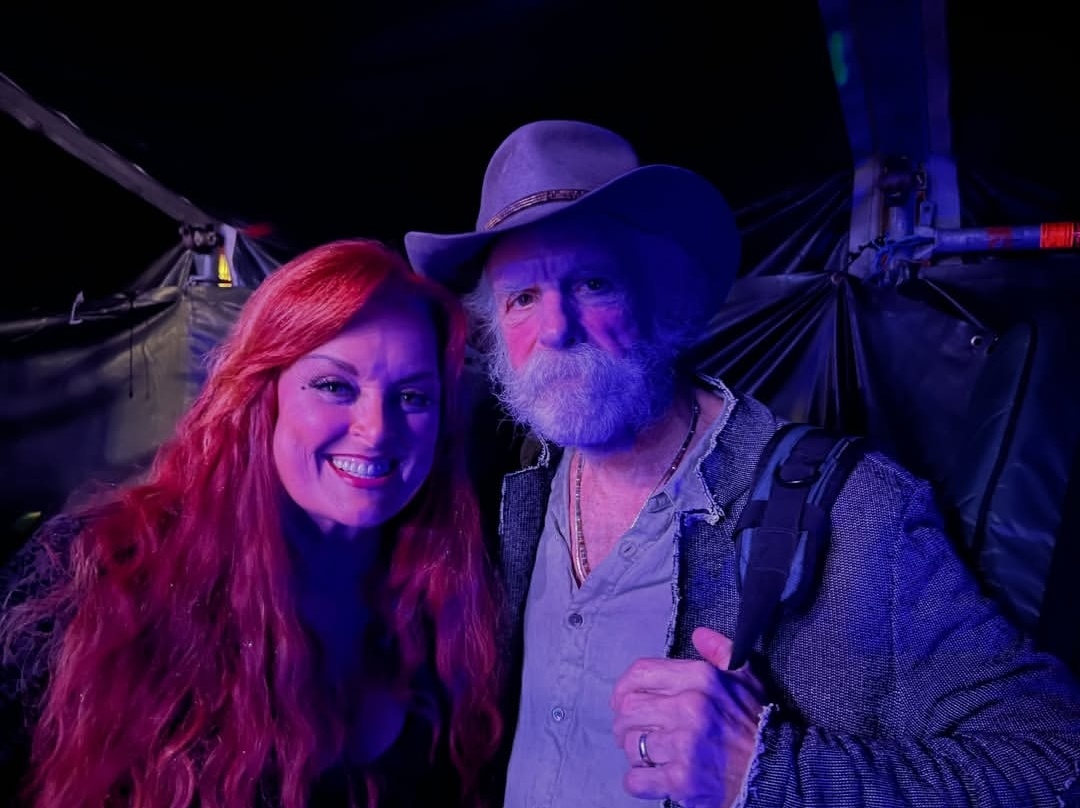
Recent appearances, including award show performances and live tour moments, triggered mixed fan reactions. Some viewers describe her as more emotional and introspective on stage, while others praise her resilience and vocal strength.
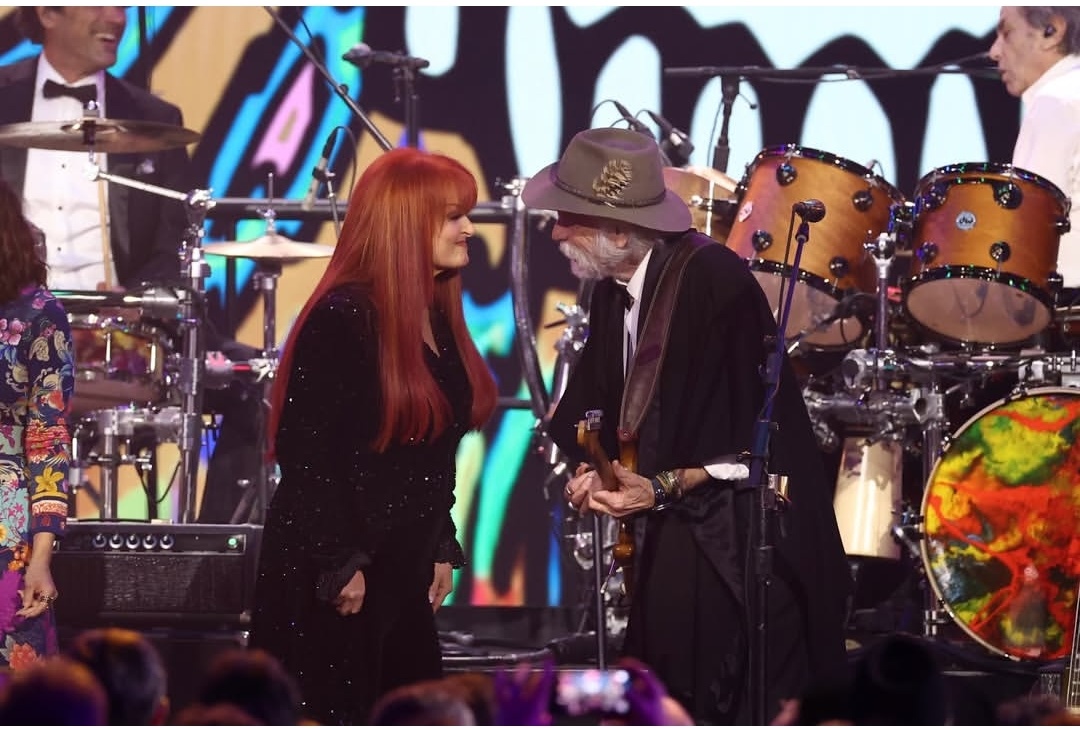
During a major country music tribute performance, fans flooded social media praising her legacy, with many calling her a trailblazer who helped shape modern country music itself.
That moment reflected a broader truth. She’s no longer just performing songs. She represents an era of country music history.
Public reaction cycles between nostalgia, concern, admiration, and respect. That range of response often happens when an artist maintains relevance across multiple generations.
Wynonna Judd Net Worth and Financial Conversations
Financial discussions frequently appear in searches related to her net worth. Current estimates place her net worth around $12 million, reflecting decades of touring, recording, and licensing revenue.
Some reports suggest past spending habits affected long-term wealth growth, though she maintained steady career earnings through touring and catalog sales.
Compared to family members, her wealth sits slightly lower, with Ashley Judd estimated higher and Naomi Judd having built major earnings through music and advocacy work.
Financial curiosity around her reflects public fascination with celebrity longevity and career sustainability.

Wynonna Judd Without Wig: Public Curiosity and Authenticity
Searches about her wig highlight how closely fans watch celebrity image choices. She has experimented with different hairstyles, wigs, and stage looks across decades.
These searches reflect broader celebrity culture trends where fans want authenticity and behind-the-scenes reality. For her, visual identity has always been part of performance storytelling rather than pure fashion branding.
Personal Life Challenges and Public Strength
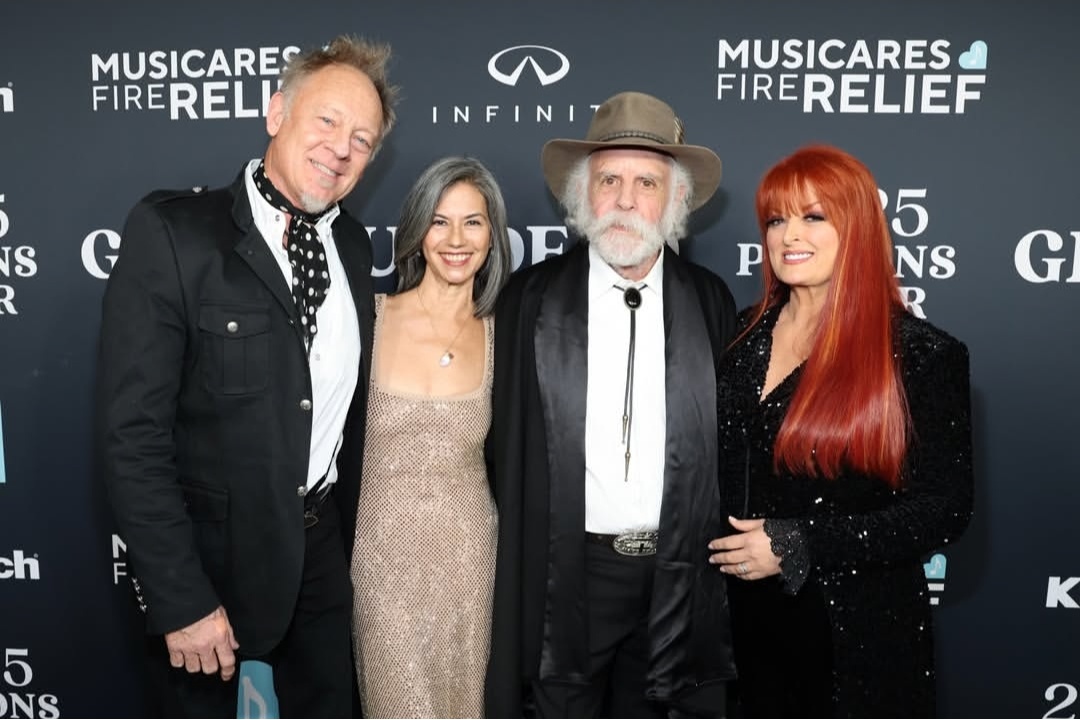
Her life includes major personal challenges. The loss of her mother, family struggles, and public scrutiny shaped her public narrative.
Despite these pressures, she continues touring and recording. That resilience contributes to why audiences remain emotionally invested in her story.
Her public openness about personal hardship helped reshape how country artists discuss mental health, grief, and recovery.
Wynonna Judd Tour Era: Why Fans Still Show Up
Every Wynonna Judd tour represents more than live music. For longtime fans, it represents nostalgia and emotional connection to country music’s golden era.
For newer listeners, her concerts showcase raw vocal power rarely matched in modern country production. Her stage presence emphasizes storytelling rather than choreography or production spectacle.
That authenticity keeps ticket demand strong even decades into her career.
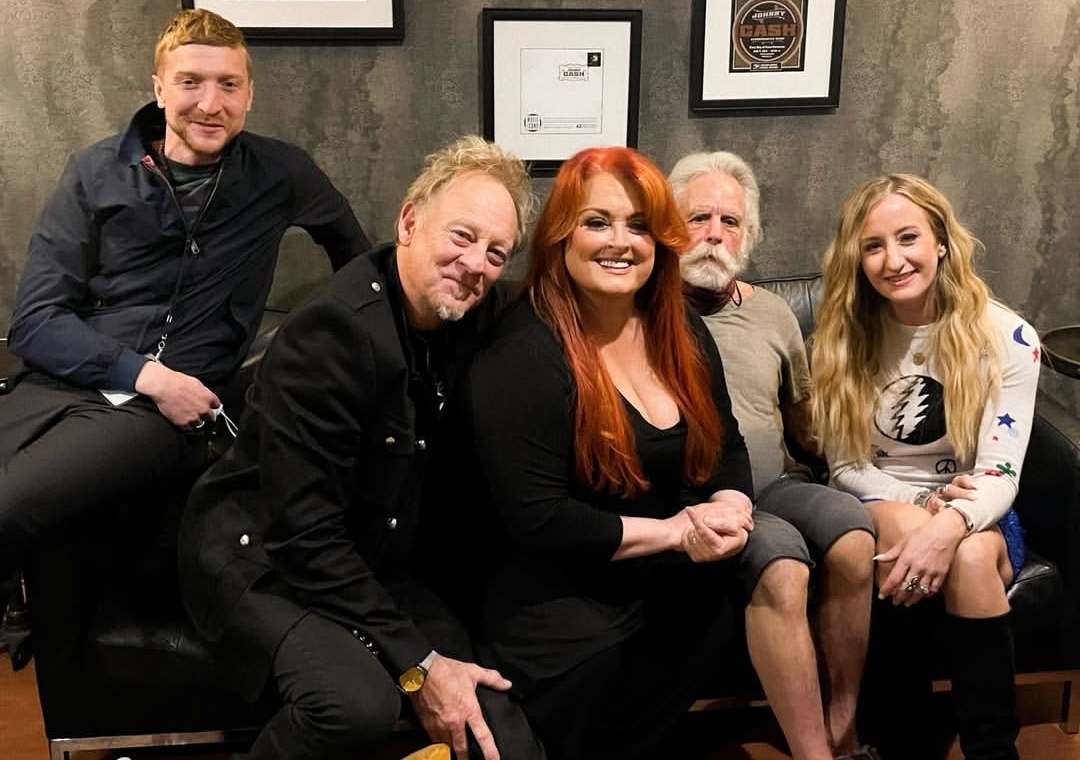
Wynonna Judd’s Cultural Impact on Country Music
She helped define what strong female country voices sound like. Her influence extends into modern artists who blend emotional storytelling with powerhouse vocal performance.
Her catalog still influences country songwriting structures focused on emotional realism rather than commercial formulas.
Industry respect remains strong. Many artists credit her with shaping the emotional direction of modern country ballads.
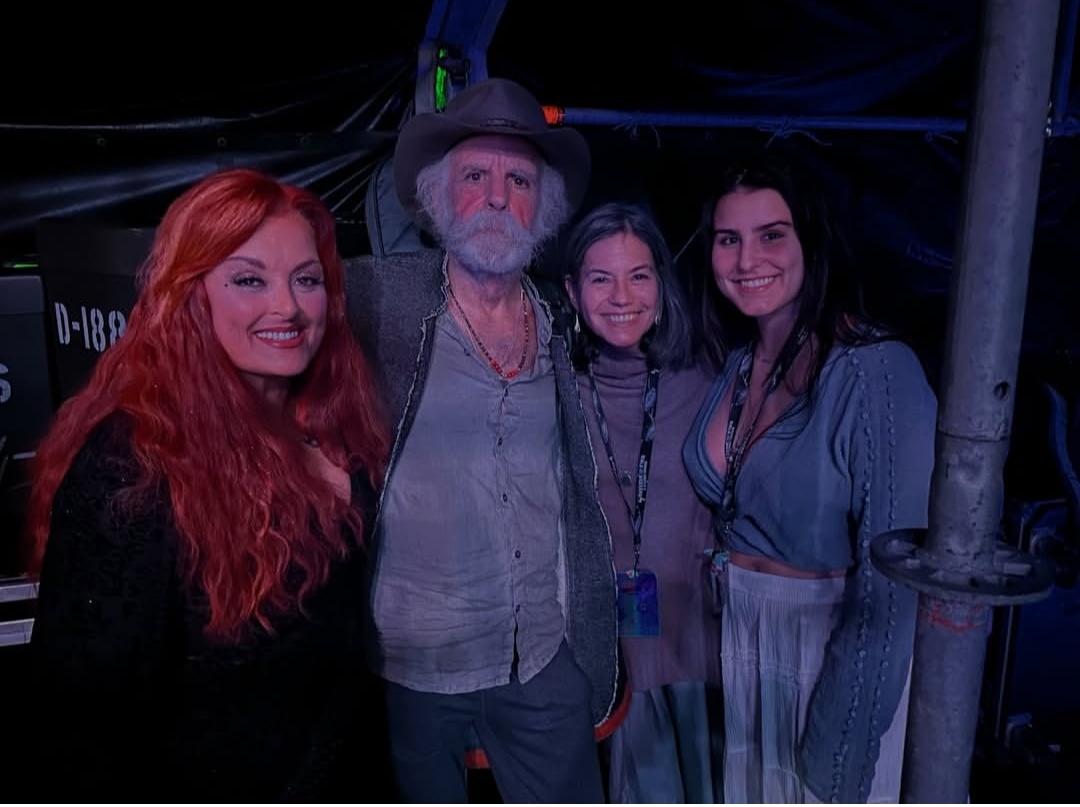
Why She Still Dominates Headlines
She remains culturally relevant because she represents three things simultaneously. She represents classic country history, personal resilience, and evolving celebrity storytelling.
Fans follow her for music, but they stay invested because of her personal journey. That combination keeps her trending during tours, award shows, and major performances.
Her story feels unfinished, and audiences remain emotionally invested in where her career goes next.
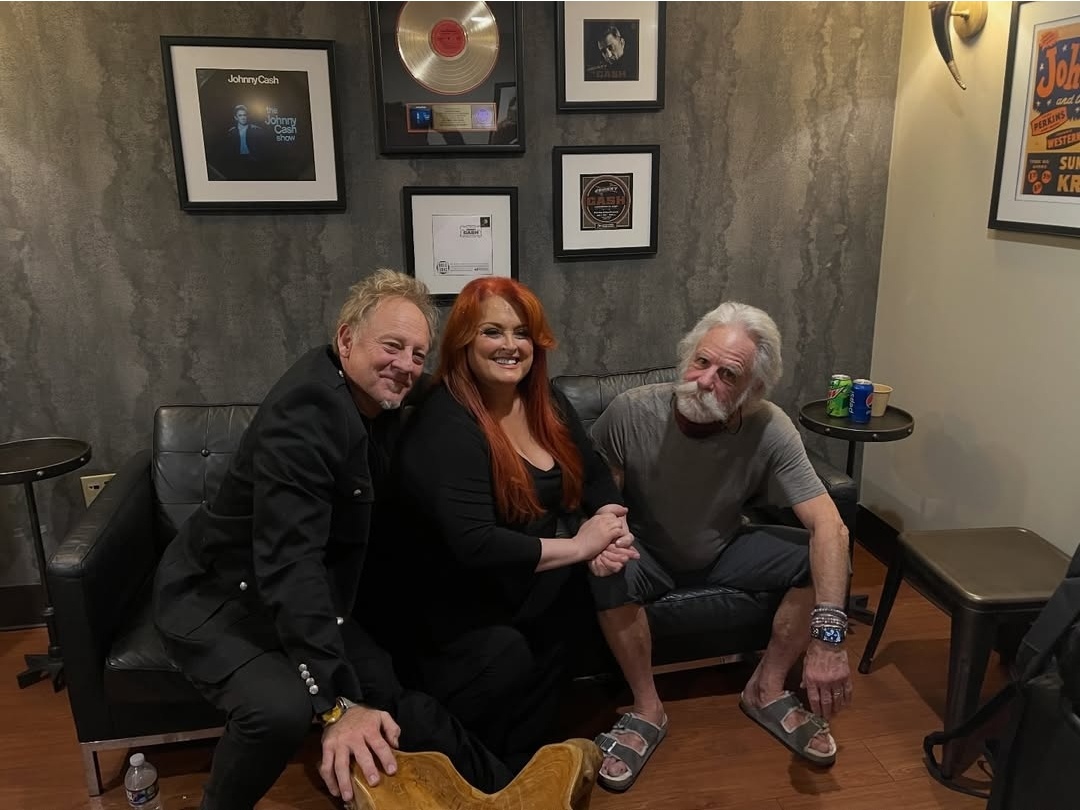
The Emotional Legacy of Her
Few artists maintain multi-decade emotional connection with audiences. She achieved that through authenticity and vulnerability.
Her career shows that technical vocal ability alone doesn’t create legacy. Emotional honesty does.
Even when reactions to performances are mixed, public attention remains strong. That attention proves her lasting cultural influence.
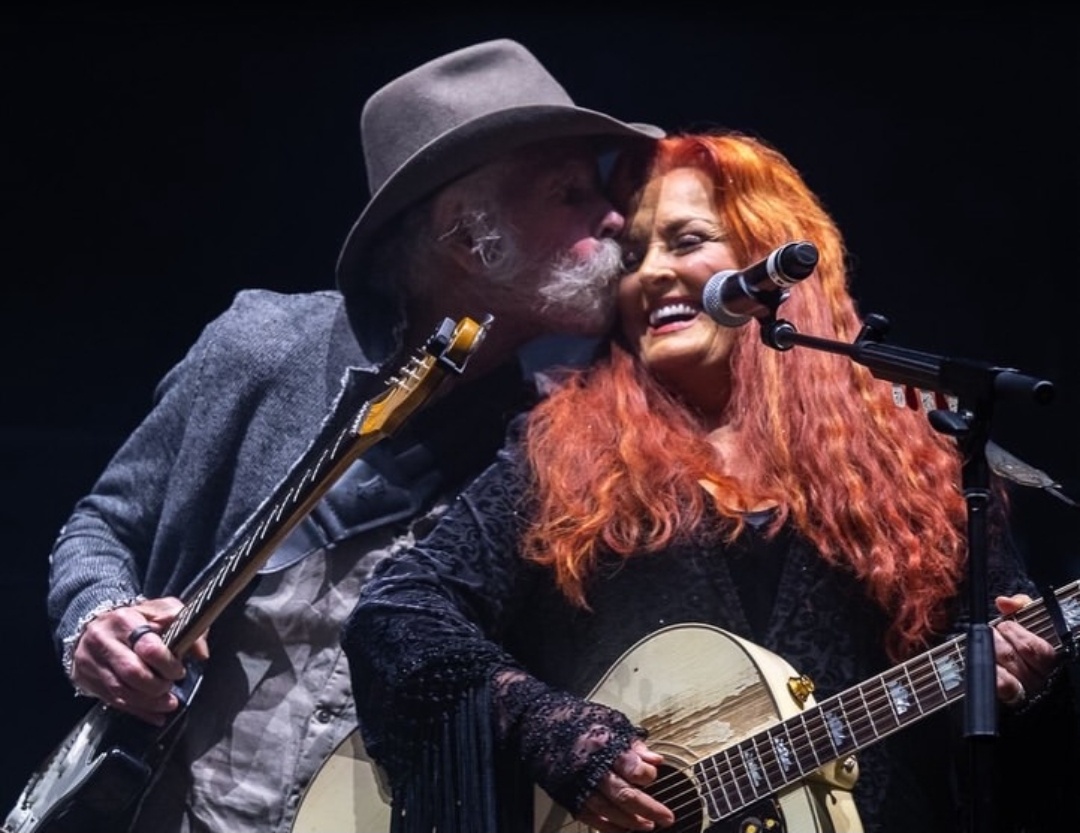
Wynonna Judd’s Lasting Place in Music History
Country music history cannot be written without her. From The Judds era to solo success and modern tour appearances, she shaped how female country vocalists are perceived.
She represents the transition between traditional country storytelling and modern emotional realism in songwriting.
Her continued performances remind fans that legacy artists don’t disappear. They evolve.
As long as fans keep searching for updates, touring news, and new performances, Wynonna Judd will remain part of the country music conversation, proving why she continues defining emotional storytelling in modern country music.